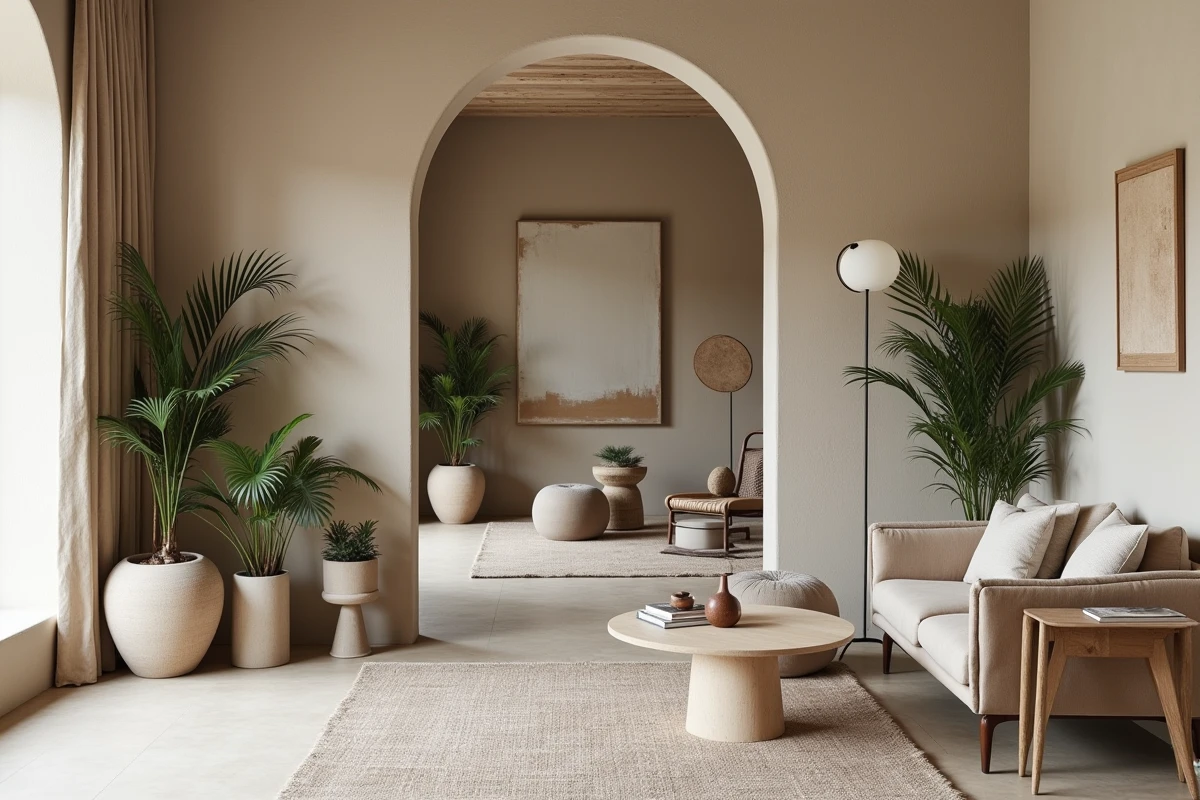
Transforming an interior doesn’t necessarily require major renovations. Sometimes, the choice of a material, lighting, or a piece of furniture is enough to radically change the atmosphere of a room. These ten ideas each target a specific lever, from floor to ceiling, to transform your interior with style and originality.
1. Textured mineral plaster on an accent wall
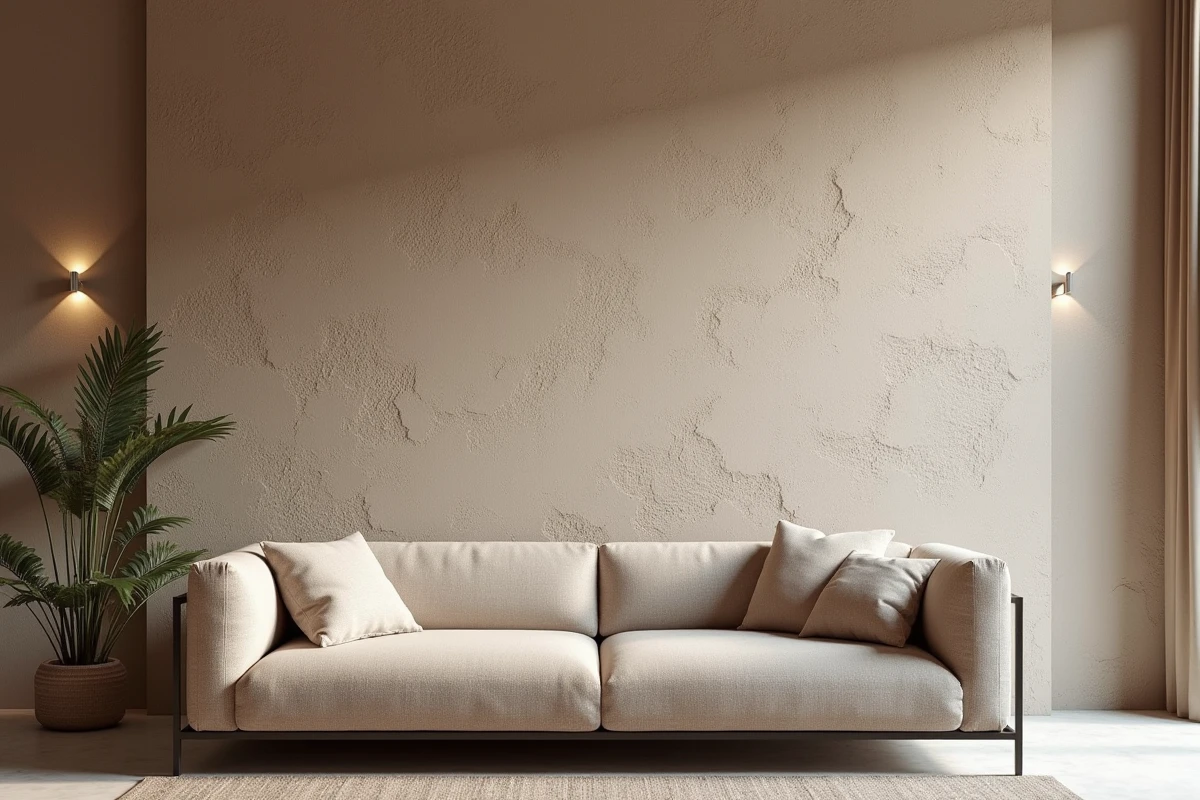
Smooth, uniform paints are giving way to lime plasters, tadelakt, or mineral washes. Their relief creates light play that changes throughout the day.
Just one wall treated with textured plaster is enough to anchor a room. Prefer the wall facing the source of natural light so that the surface irregularities are visible without artificial lighting.
The most effective palette remains neutral tones, sand or clay, as it highlights the relief without overwhelming the rest of the furniture. This type of finish aligns with the trend for raw materials and imperfect finishes that dominates recent interior decoration.
2. Sculptural lamp as a luminous focal point
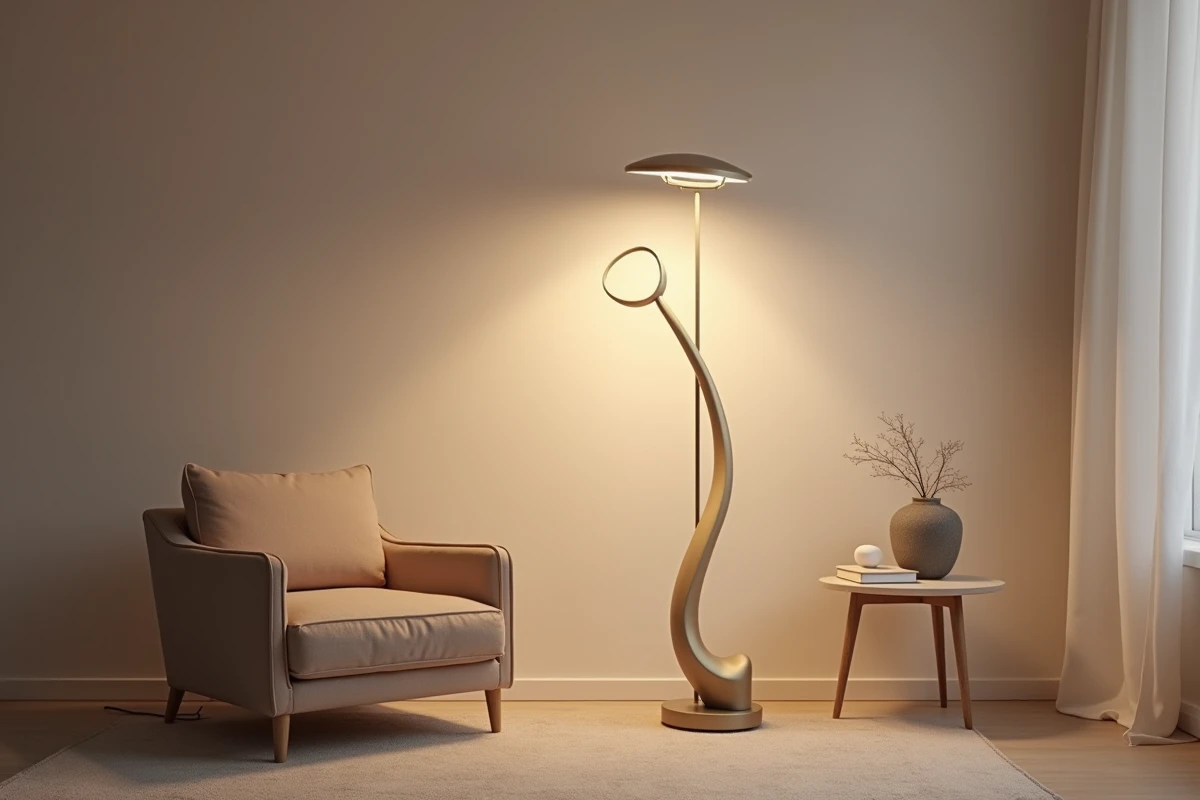
Decorative lighting has taken a central place in the transformation of a space. Sculptural table lamps, made of ceramic, alabaster, or blown glass, are gradually replacing purely functional ceiling lights. Specialized catalogs like those offered on votredeco.fr help identify these types of decorative pieces suitable for every style.
Indirect lighting transforms an ambiance faster than a change of furniture. Placed on a console or a low shelf, a sculptural lamp acts both as a piece of art and as a source of supplementary light.
3. Modular furniture for an adaptable living room
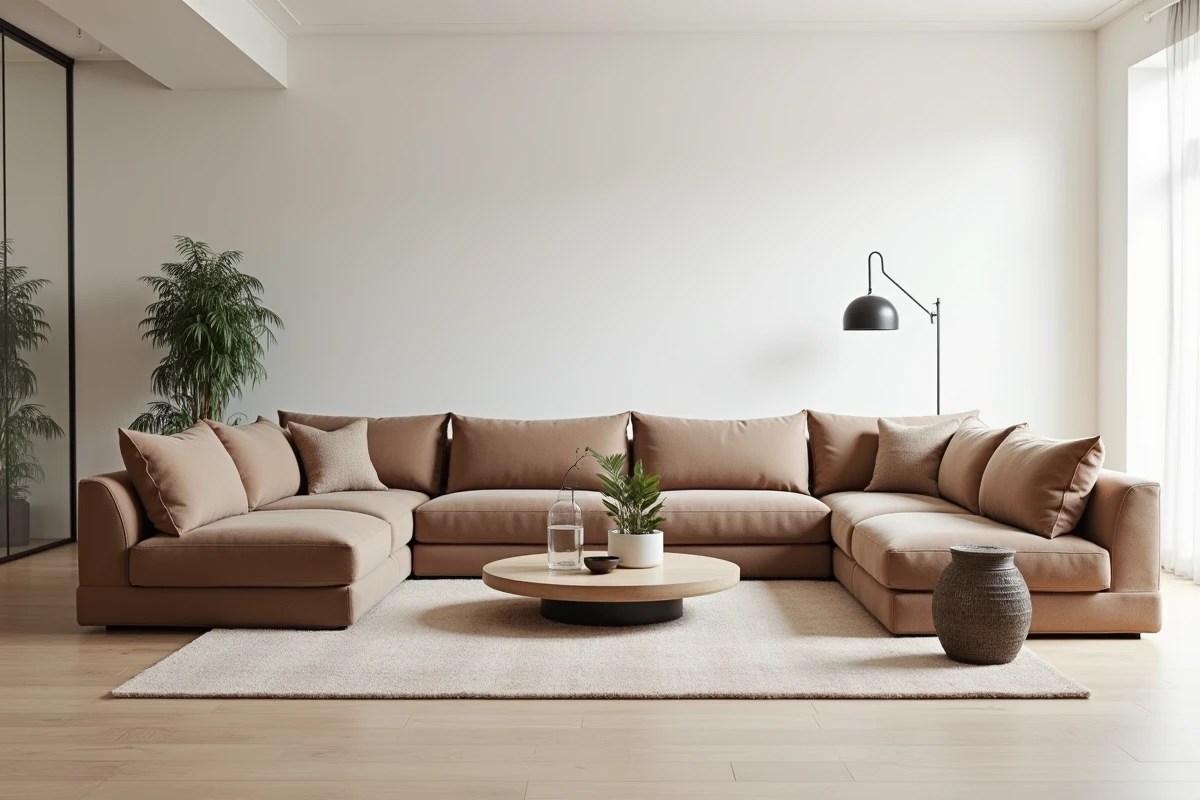
Modular furniture allows you to reconfigure a living room according to its use, whether for reception, relaxation, or work, without moving furniture. Sofas with detachable modules and nesting coffee tables illustrate this approach.
This type of furniture is particularly relevant in small spaces. A three-piece modular sofa can form a linear bench or an angle depending on the moment’s need.
4. Washed linen textiles for the bedroom
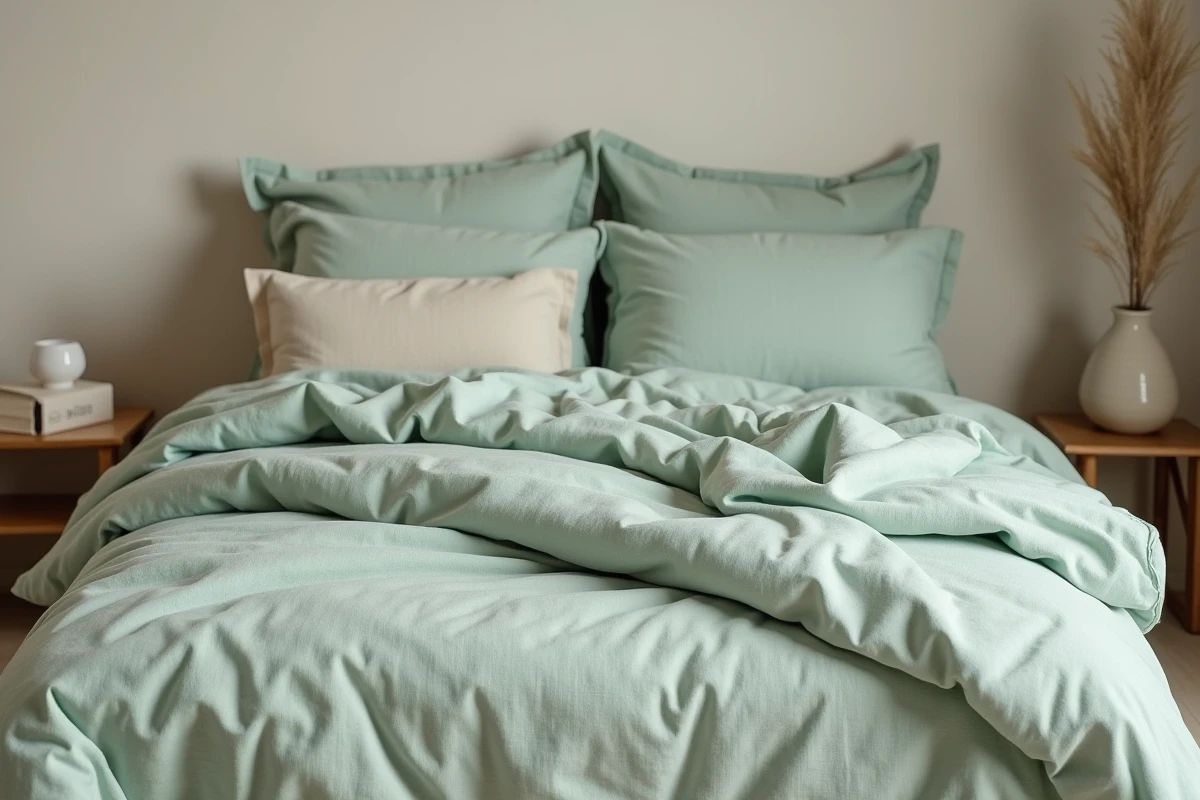
Washed linen brings a deliberately crumpled look that immediately gives a handcrafted character to a bedroom. Duvet covers, pillowcases, bed throws: textiles remain the quickest transformation lever for this room.
Changing bed linens alters the atmosphere of a bedroom in just a few minutes. Muted shades (beige, pearl gray, pale terracotta) work better than bright colors for a lasting cocooning effect.
5. Wooden screen to separate without partitioning
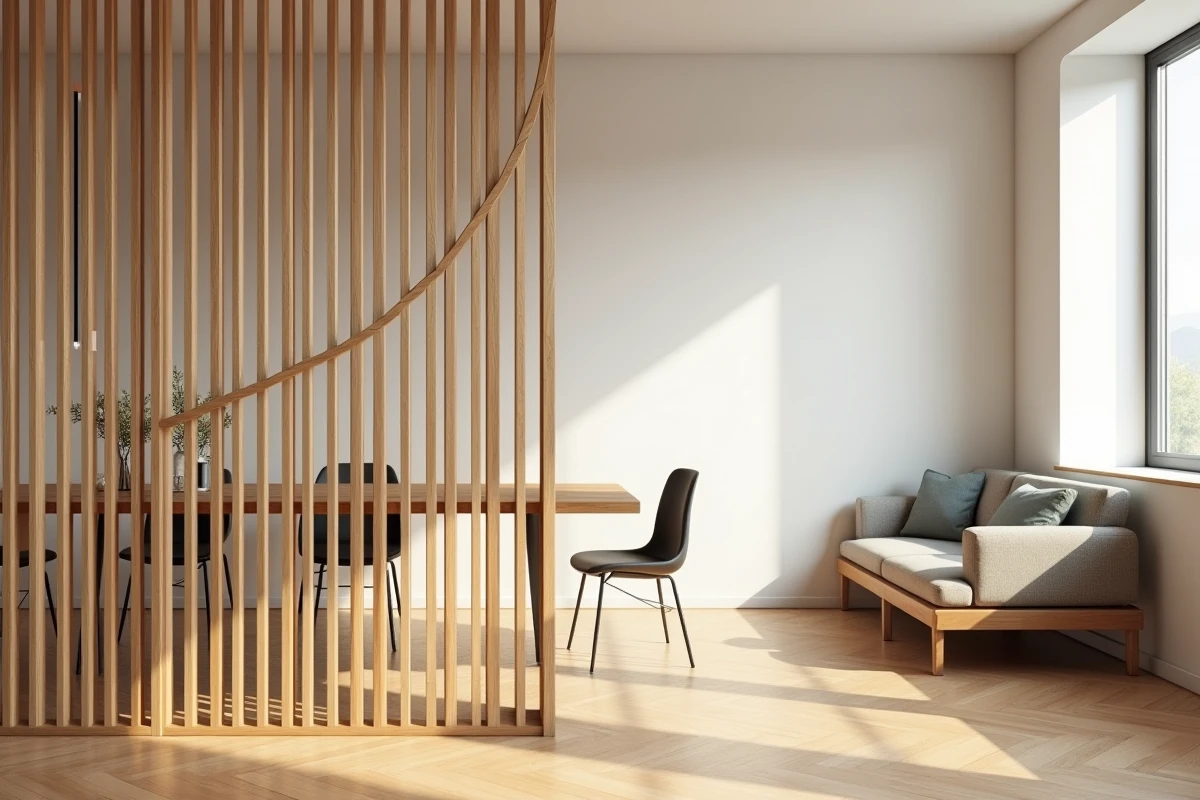
In an open space, a wooden screen creates a visual separation without blocking light. Unlike a solid partition, it preserves air circulation and the feeling of volume.
Textured wood, such as veined oak or raw pine, enhances the natural aspect of the room. A half-height screen is sufficient to delineate a workspace in a living room without requiring construction work.
6. Customized wall gallery instead of a single painting
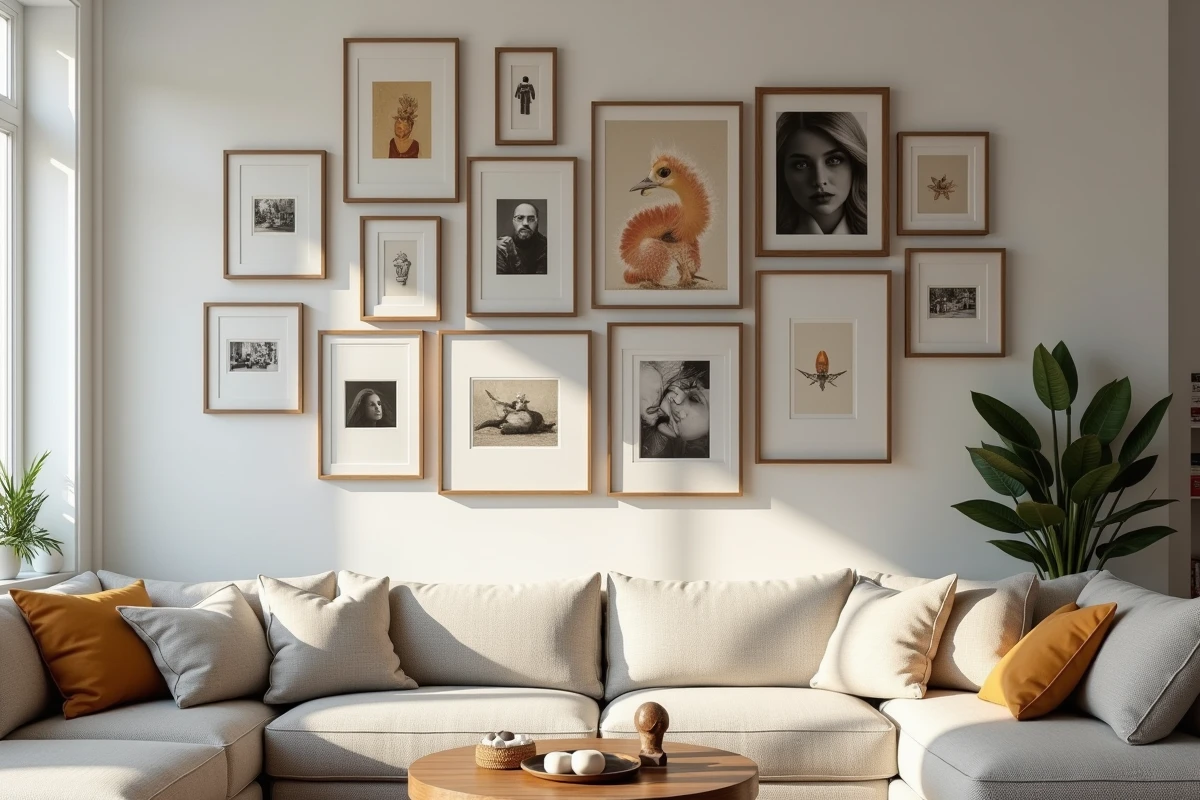
Hanging a large painting alone on a wall is a classic option. Composing a wall gallery with frames of different sizes and styles adds more personality.
The most reliable practical rule for successfully creating a wall gallery:
- Lay all the frames on the floor to test the arrangement before drilling
- Keep a regular spacing (the width of two fingers) between each frame
- Mix at least three different formats to avoid a rigid grid effect
- Incorporate one or two three-dimensional objects (mirror, small shelf) to break the flatness
A well-composed wall gallery personalizes an interior without requiring a high budget.
7. Zellige tiles in the kitchen or bathroom
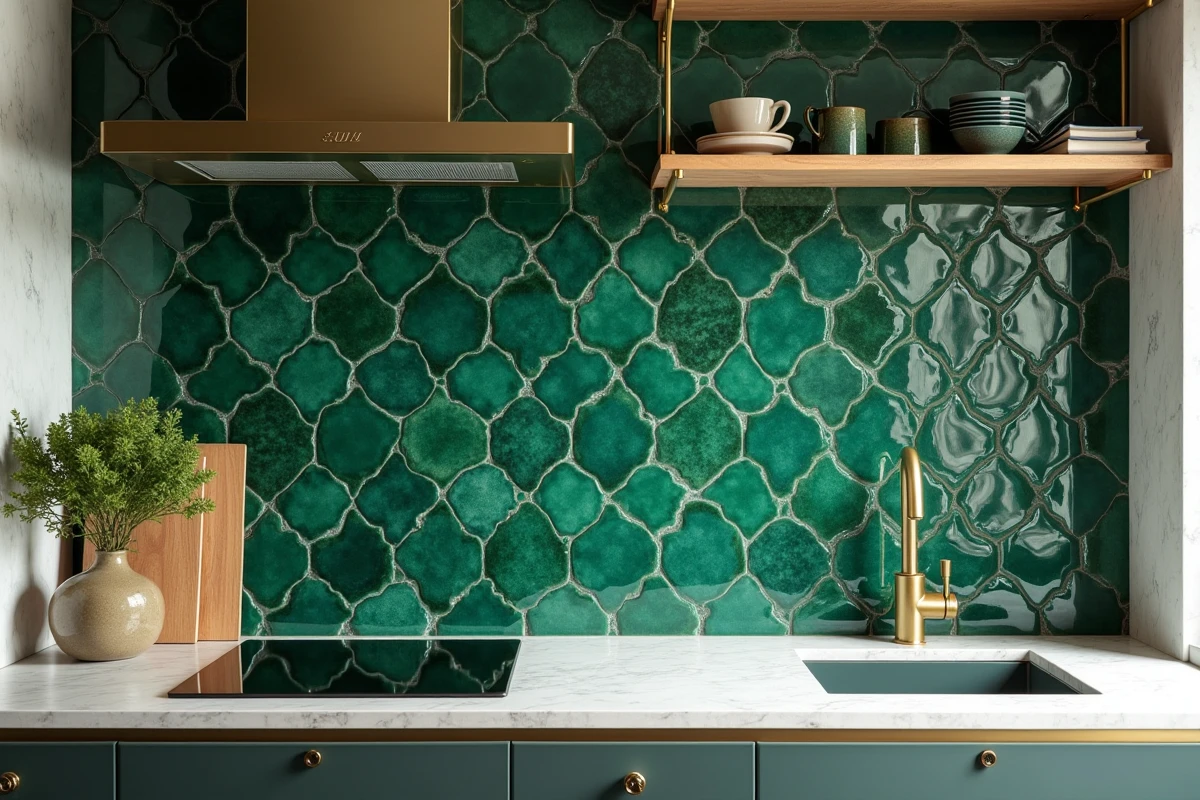
Zellige, a glazed ceramic tile of Moroccan origin, is distinguished by its color variations from one tile to another. This irregularity gives a backsplash or shower wall a handcrafted appearance that industrial tiling does not replicate.
Used as a kitchen backsplash on a limited surface, zellige transforms the room without overwhelming the space. Green tones (sage, olive) and off-whites are among the most common choices.
8. Raw wood entry bench to structure the welcome
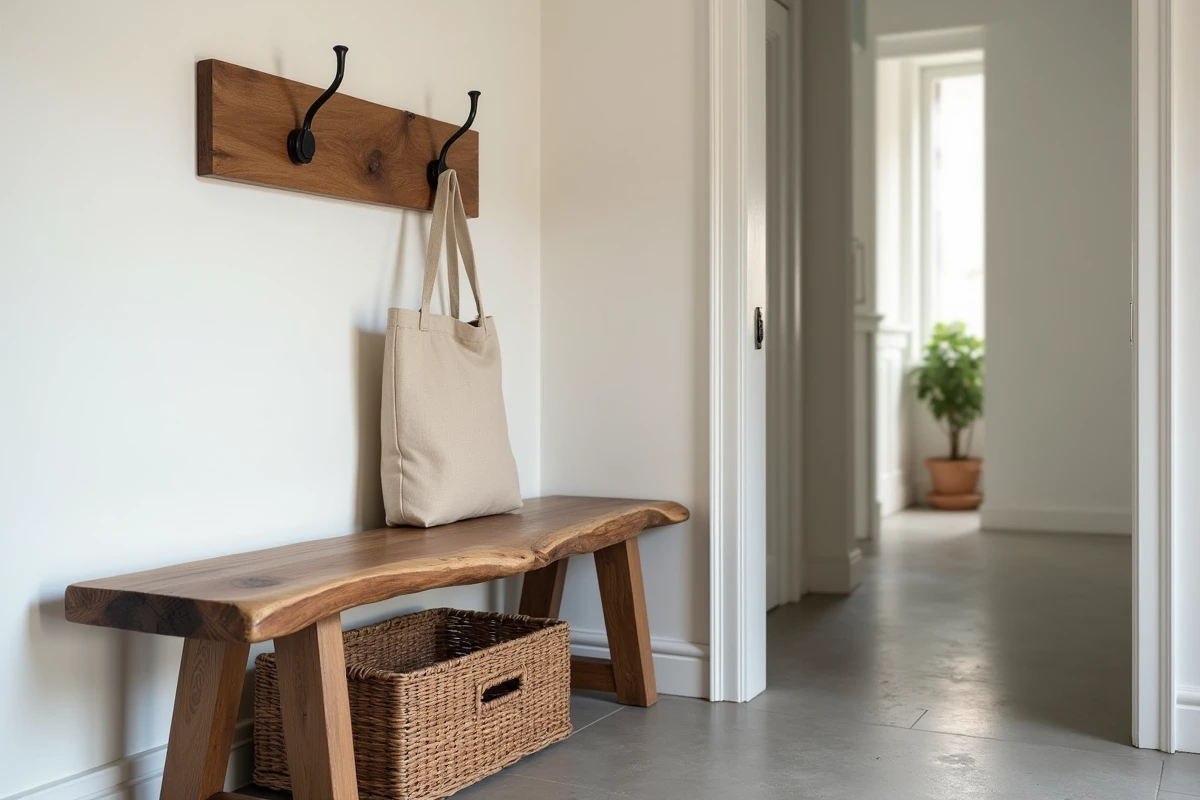
The entryway is the first impression of an interior, yet it is often neglected. A raw wood bench, even narrow, immediately structures this space by giving it a clear function.
Combined with wall hooks and one or two storage baskets, it transforms a passageway into a true welcoming area. Raw or recycled wood brings a warm presence right at the threshold of the home.
9. XXL mirror to visually enlarge a space
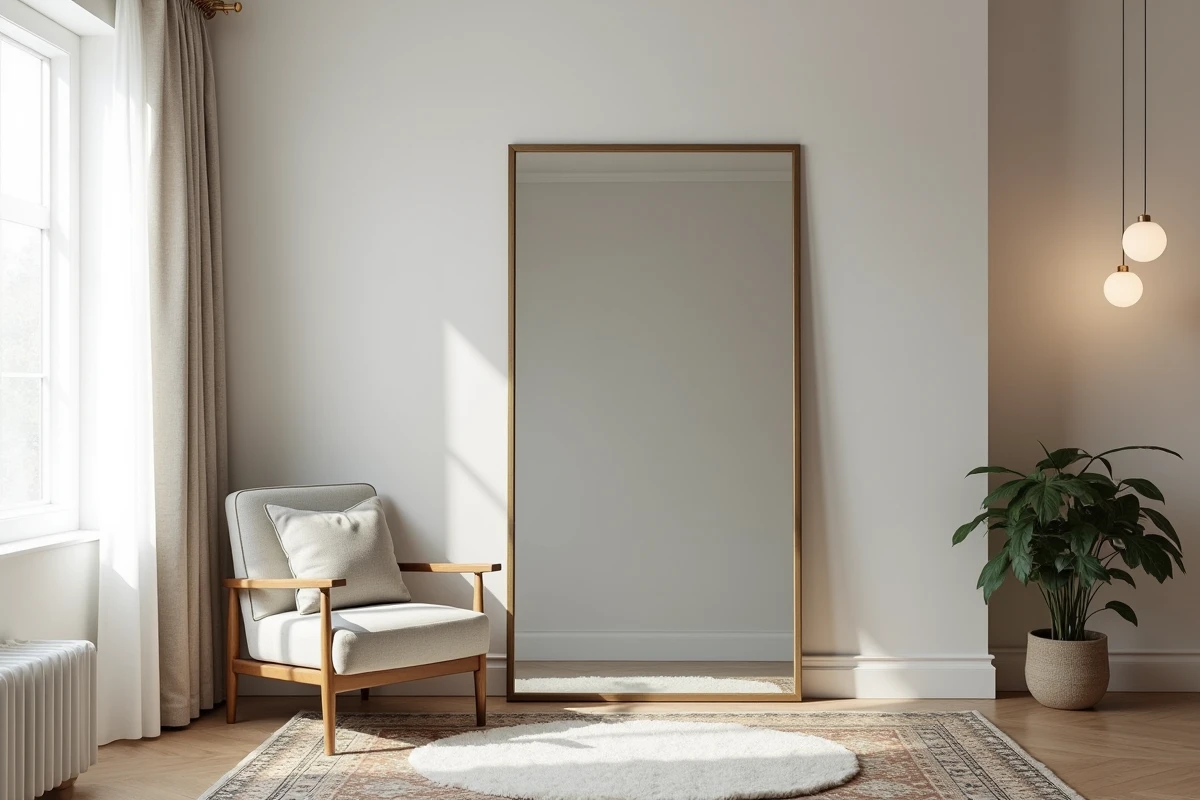
A large mirror placed on the floor or mounted on a wall reflects light and gives an impression of depth. In a narrow living room or a compact bedroom, this visual effect is measurable: the space appears significantly larger.
Prefer a frame made of natural material (wood, rattan, patinated metal) so that the mirror integrates as a full decorative element, not just a functional tool.
10. Green plants in a structured accumulation
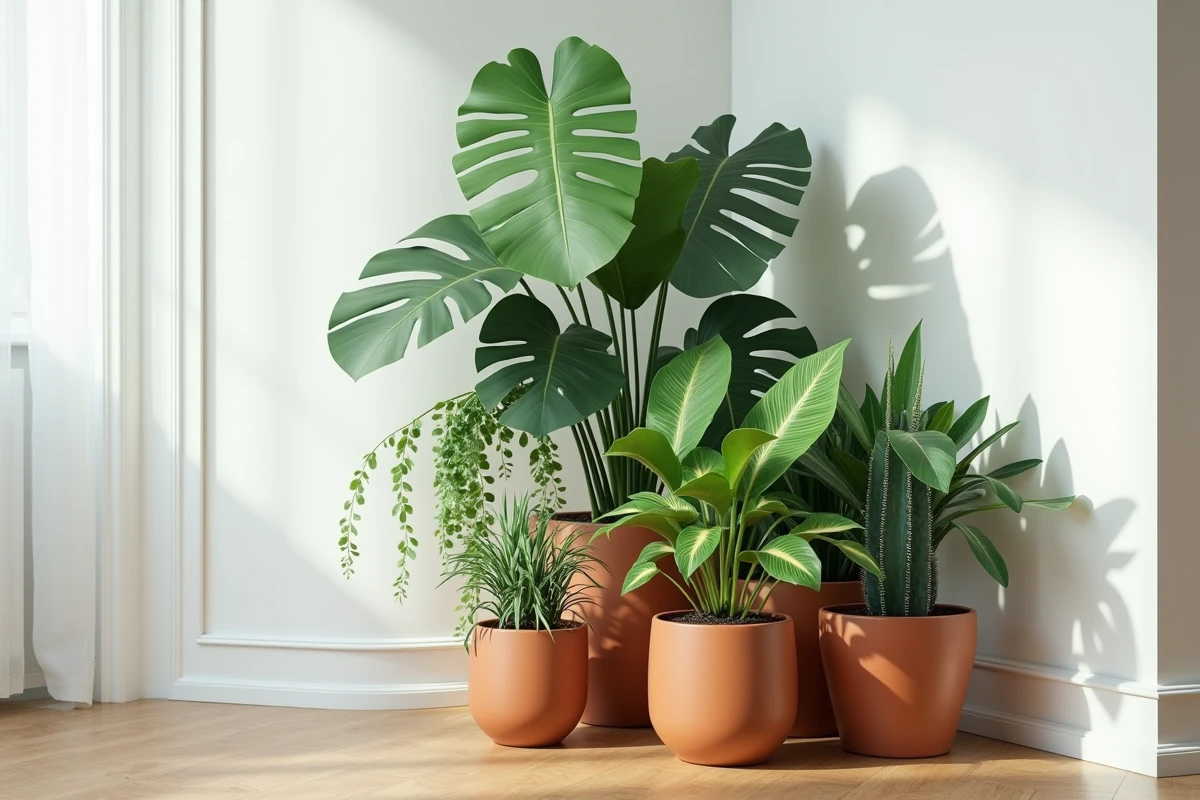
An isolated plant decorates. Several grouped plants transform a corner of a room. A structured accumulation, on a shelf, a plant stand, or a low piece of furniture, creates a true focal point of greenery.
To keep the arrangement clear, a few principles help:
- Vary heights by placing trailing plants at the top and compact ones at the bottom
- Limit the palette of pots to two or three materials (terracotta, wicker, ceramic)
- Group plants with similar light needs to simplify maintenance
A structured plant accumulation adds volume and life to any living room or hallway with a source of natural light.
Each of these ten suggestions operates on a different register: material, light, volume, or color. Combining two or three in the same room produces a coherent result without overcrowding the space. The common thread remains the same: prioritize visually impactful elements, in limited numbers, rather than a multitude of small decorative additions that end up neutralizing each other.