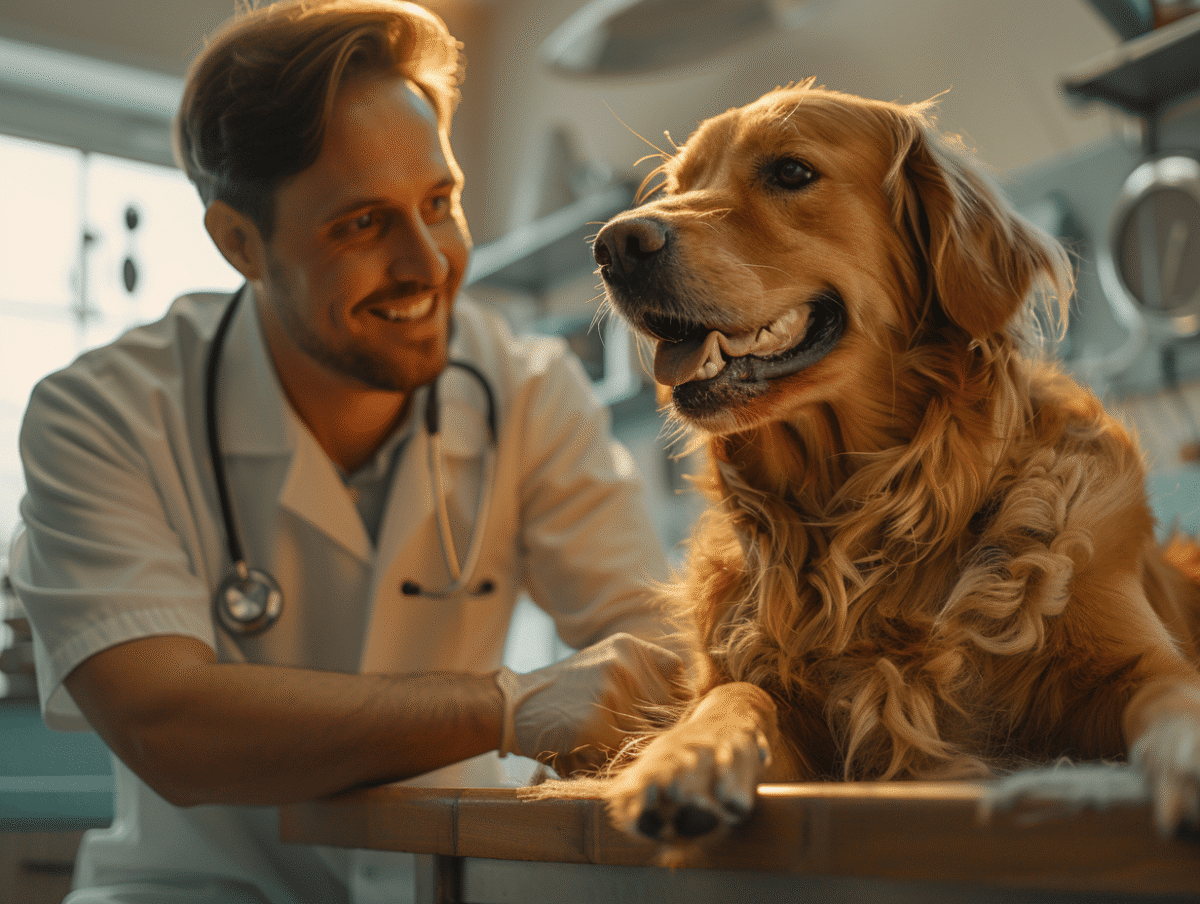
Pets are full-fledged members of the family and deserve special attention for their well-being. The key to a long and healthy life for these companions lies in regular veterinary care. These interventions include vaccinations, parasite prevention, annual health check-ups, and dental care. You should monitor your pet’s behavior and diet, as they can be indicators of underlying health issues. A proactive approach to veterinary care can help detect conditions early that may affect the quality of life of our four-legged friends.
Essential preventive care for your pet’s health
Preventive medicine is rigorously applied to dogs and cats, our everyday companions. It is about preventing rather than curing, an obvious approach that is often underestimated. Vaccination, for example, is a barrier against serious diseases that can affect these animals. Protecting our furry friends is not an option; it is a necessity that translates into regular visits to the veterinarian for a tailored prevention protocol.
Protection against parasites, whether internal like flat and round worms, or external such as fleas, ticks, and mites, is another essential aspect of health maintenance. Parasites can severely affect our pets’ health and can also transmit diseases to humans. Parasite protection must be continuous and adapted to the pet’s lifestyle, whether urban or rural.
Consider spaying a female dog or cat as an integral part of prevention. This intervention reduces the risk of certain conditions, such as mammary tumors and reproductive system diseases. It contributes to the fight against animal overpopulation and unwanted litters, which are significant public health and ethical issues.
Do not overlook the nutritional aspect. A suitable, controlled, and quality diet is fundamental for your pet’s health. It prevents obesity, digestive disorders, and supports the immune system. The veterinarian, as a specialist in animal health, will be able to advise you on the most appropriate diet for your companion, based on their age, breed, and overall health condition.

The necessary treatments and veterinary interventions throughout your companion’s life
Caring for your four-legged companion with a veterinarian goes beyond just annual visits for vaccinations. Throughout an animal’s life, various veterinary interventions become necessary, whether for emergency care, chronic treatments, or surgery. Each stage of your pet’s life requires special attention, from routine check-ups to managing more complex conditions.
Prevention remains the key word, and it is up to the veterinarian to decide and advise on the best prevention protocol. This includes, among other things, managing the risks of zoonoses, diseases transmissible from animals to humans, such as leishmaniasis, a vector of avoidable suffering transmitted by the sandfly. Monitoring and preventing these risks are vital for public health and the well-being of our animals.
The issue of prevention budget is also fundamental. Vaccination and parasite treatment costs can weigh heavily on pet owners. Fortunately, pet health insurance plans, offered by organizations like Santévet, provide coverage for these expenses. A dog insurance or cat insurance can thus cover a significant portion of veterinary costs, easing the financial burden of necessary care.
Taking care of your companion requires a long-term vision and anticipation of needs. A well-thought-out prevention budget, included in pet health insurance plans, ensures that essential care will never be compromised by economic constraints. Dog insurance and cat insurance become an investment in the sustainability of our four-legged friends’ health, allowing for peaceful support at every stage of their lives, for the comfort of the animal and the peace of mind of the owner.