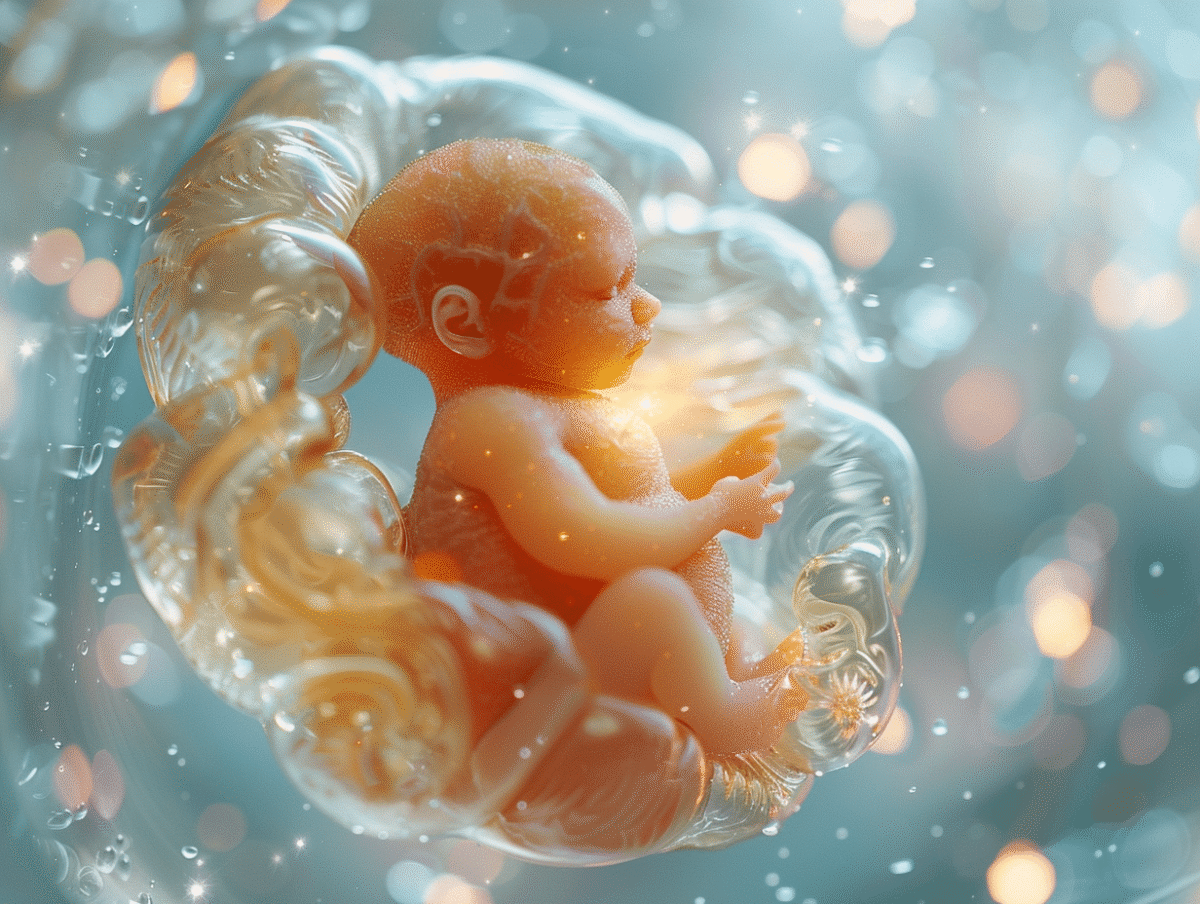
The genesis of a new life remains one of the most fascinating enigmas of human biology. This odyssey begins with the fusion of an egg and a sperm cell, giving rise to a zygote. Over the days, the zygote divides and becomes more complex through successive phases, such as blastulation, gastrulation, and then organogenesis, where the organs begin to form. Every moment of this process is critical, orchestrated by a precise molecular ballet, where the slightest error can influence the future development of the embryo. Understanding these stages offers valuable insights into the beginnings of life and the mechanisms of human reproduction.
Key Stages of Embryonic Development
The odyssey of life begins with an act of fertilization, the convergence of two gametes to create the zygote. This entity, the first biological unit, carries the mixed DNA of both parents and marks the beginning of human embryogenesis. Follow the zygote in its metamorphosis: a series of cell divisions through segmentation that leads to the formation of the morula, a dense mass of cells without an internal cavity.
Continue through blastulation, where the transition from morula to blastocyst occurs. On the fifth day post-fertilization, the blastocyst J5 twins illustrates this pivotal stage: a cavity, the blastocoel, appears, foreshadowing the complexity of the developing organism. This phase is essential for distinguishing between the inner cells, which will give rise to the embryo itself, and the outer cells, which will form the placenta.
The implantation follows, sealing the anchoring of the egg in the endometrium of the uterus. This process allows for the further development of the embryo through gastrulation, during which embryonic structures and germ layers are formed. Consider this stage as the foundation of cellular differentiation, preparing the ground for organogenesis.
Organogenesis, this critical period when organs form, extends from the fourth to the tenth week of development. The embryo, a term referring to the developing being until the eighth week, then becomes a fetus, marking a new stage of intrauterine life, before culminating in birth.
The Biological Mechanisms and Ethical Issues of Conception
The act of fertilization, this sacred union of an oocyte and a sperm cell, resonates far beyond a mere biological event. From that moment, when a new zygote is formed, the fundamental question of recognizing a new existence arises. The human embryo, a complex biological entity from its earliest moments, goes through several determining stages: embryo until the eighth week, then fetus until the end of the pregnancy.
With the advent of assisted reproductive technologies and the manipulation of embryonic stem cells, new medical perspectives open up, but also profound ethical dilemmas. The question of when the dignity of the human person begins is at the heart of these reflections. Documents from the Catholic Church, such as ‘Donum vitae’ and the ‘Instruction Dignitas Personae’ from the Congregation for the Doctrine of the Faith, emphasize the respect for life from its beginning, recognizing the human embryo as a person.
These ethical considerations influence legislation and medical practice, highlighting the responsibility that weighs on the shoulders of scientists and doctors. The debate over the status of the human embryo, oscillating between respect for emerging human life and the pursuit of therapeutic progress, remains a major issue. The beginning of the dignity of the person thus challenges our society, demanding ongoing reflection and open dialogue among different disciplines and worldviews.