The rise in popularity of eco-friendly modes of transport has propelled cycling to the heart of contemporary urban mobility. For newcomers, exploring this world can seem daunting, as they face traffic rules, safety issues, and the learning of etiquette shared with other road users. A guide to urban cycling then emerges as a valuable compass, guiding novices through the hustle and bustle of metropolises. This manual offers practical advice, navigation tips, and strategies for coexisting harmoniously with city life while ensuring safety and enjoyment while riding.
The Fundamentals of Urban Cycling
On the eve of the lifting of lockdowns, interest in cycling in the city is experiencing exponential growth. The urban bike, seen as a suitable means of transport for the post-crisis period, is at the center of tomorrow’s mobility. In this context, the Guide for the Urban Cycling Apprentice, aimed at Rookies, becomes a reference manual. Available in both French and English, this book provides essential advice on equipment, clothing, and ways to navigate among the urban crowd. Aspiring cyclists, take note: learning to ride requires a suitable bicycle and a personal investment in the basic practices of urban traffic.
Confronted with the density and diversity of users, aspiring cyclists must develop a heightened sensitivity to the dynamics of the city. Understand the signals, anticipate the behaviors of motor vehicles, such as the Kamaz, and pedestrians. Master the routes that favor bike lanes and reserved paths. Learn to decipher road architecture, interpret signs, and position yourself to be visible while respecting everyone’s safety. Navigate with confidence but also with caution, as the city is a chessboard where every move must be strategically thought out.
The approach of the lifting of lockdowns prompts a reevaluation of transport modes. The cycling in the city emerges as a viable and sustainable solution. The Guide for the Urban Cycling Apprentice not only offers advice on the mechanics and maintenance of your bike but also on how to integrate into the continuous flow of urban streets. It is a compass for novices, an indispensable tool for navigating smoothly through the complex fabric of modern cities. Beginner cyclists, equip yourself with this guide; it is the travel companion that will illuminate your path toward autonomous and responsible mobility.
Safety and Coexistence on the Road
In the tumult of urban areas, bicycle safety rises to the level of a major concern for users. The Bicycle Training Institute (IFV), a reference institution, teaches the essential methods and reflexes for a harmonious coexistence between cyclists and other urban traffic participants. The guide emphasizes the usefulness of bicycle insurance, not only for individual protection against the hazards of the road but also to promote responsible riding.
The French Cycling Instructors, trained by the IFV, are the architects of road education adapted to contemporary demands. Pierre ZUNEVE, Eric PATURAL, Stéphane Pédroletti, and Sylvain Todeschini are among the professionals who have benefited from this rigorous training provided by the IFV, which has already trained 1,575 specialists. They share their knowledge through practical advice and a pedagogy focused on risk prevention and danger anticipation.
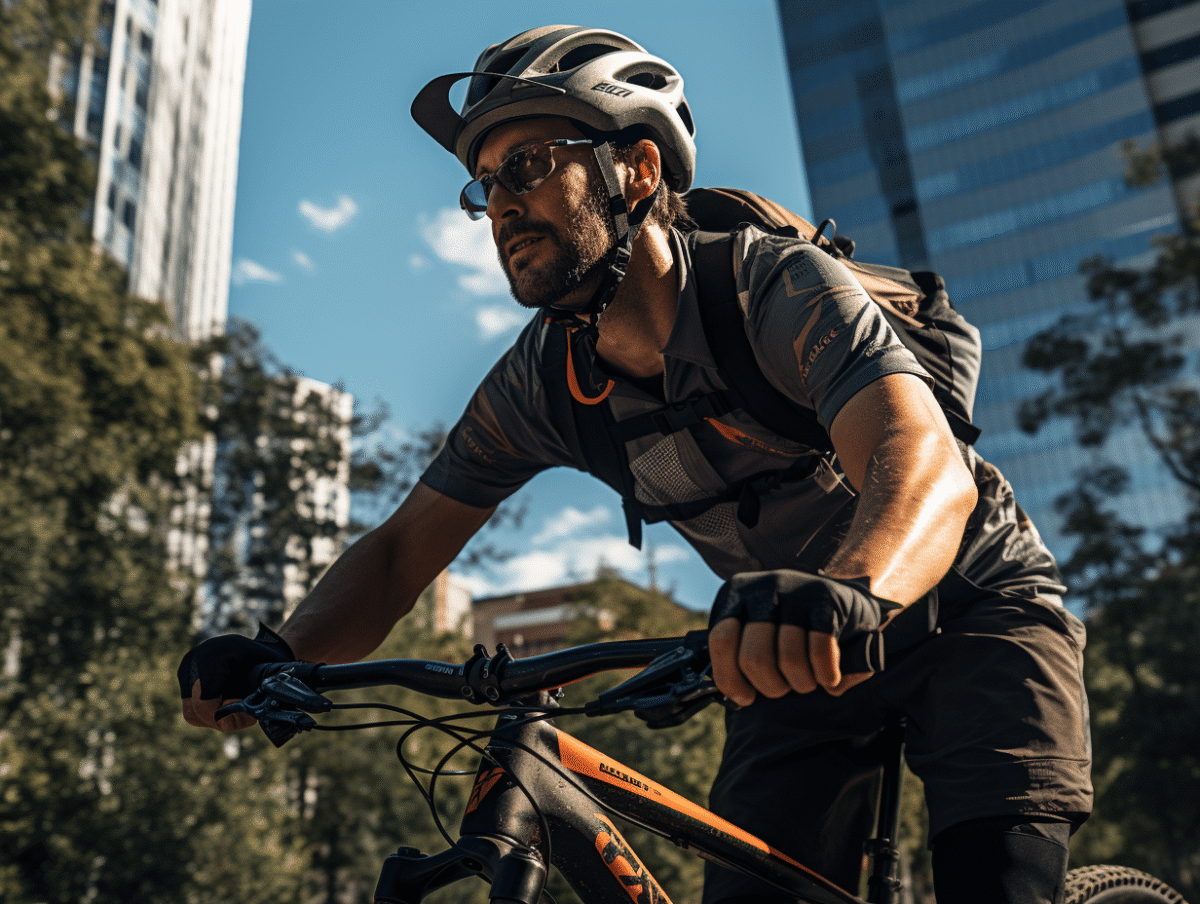
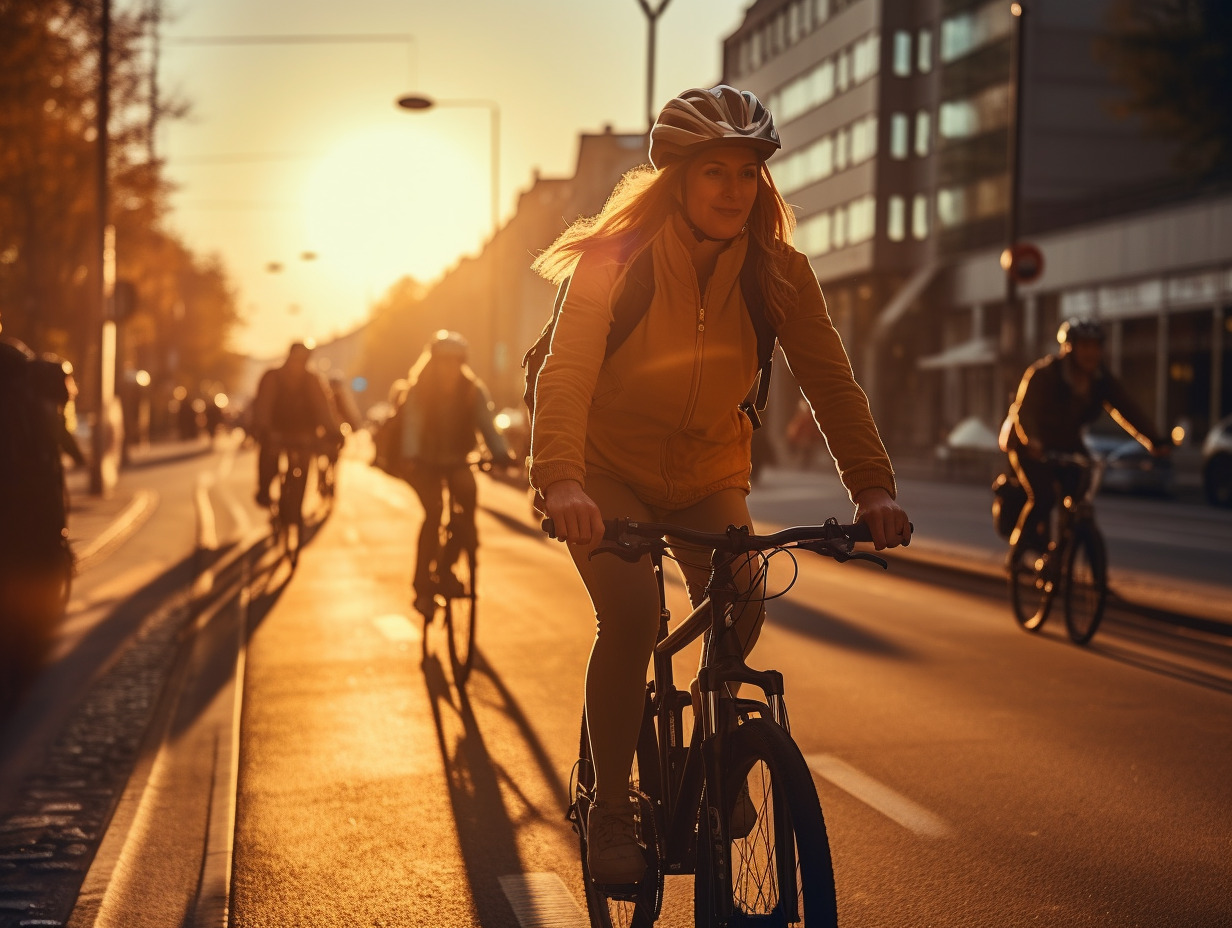
To venture onto urban roads, wearing essential equipment is an absolute necessity. Helmets, gloves, appropriate lighting, and reflective devices are the basics of the attire of a savvy cyclist. The guide states that these accessories, far from being mere recommendations, are the guarantees of optimal visibility and protection in the asphalt jungle.
Cycling training presents itself as a vector of assurance and competence. Following specialized training is a commitment to continuous learning that refines the mastery of one’s vehicle and the understanding of traffic rules. Cycling in an urban environment is tamed; and, like a dancer on stage, the cyclist must learn to move gracefully and precisely amidst an incessant ballet of pedestrians, cars, and other two-wheelers.